

Jellyfish Sting
Jellyfish Stings 101: Prevention, Treatment, and Why SafeSea Is Your First Line of Defense
Jun
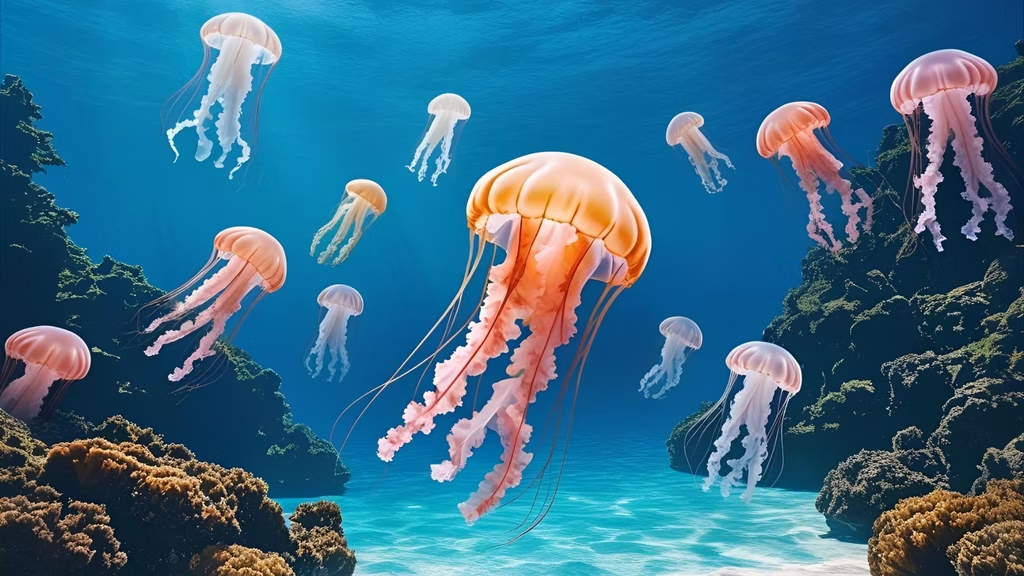
Whether you’re snorkeling in the Caribbean, surfing in Hawaii, or simply swimming in your local beach, the risk of encountering a jellyfish is very real. These fascinating yet sometimes dangerous sea creatures can leave you with painful stings and ruined vacation memories. But with the right knowledge and protection—like using SafeSea coral-friendly sunscreen—you can enjoy the ocean worry-free.
What Causes a Jellyfish Sting?
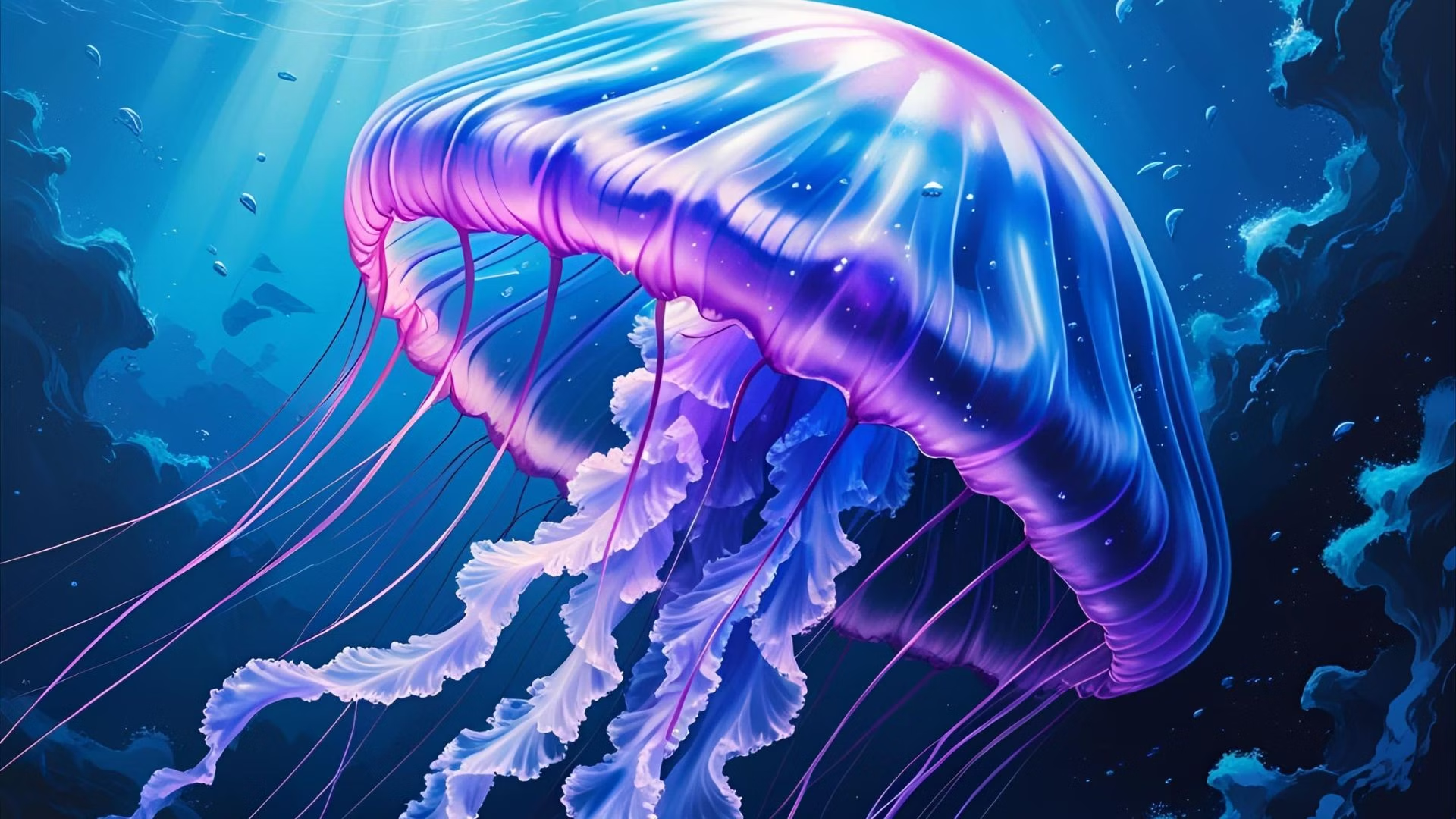
Jellyfish sting through specialized cells called nematocysts, which eject tiny venom-filled barbs into the skin upon contact. These stings can cause reactions ranging from mild irritation to severe pain and even life-threatening allergic responses in rare cases.
How to Prevent Jellyfish Stings
Avoiding a sting is easier than treating one. Here are simple but effective prevention tips:
- Check local beach advisories. Jellyfish blooms are often seasonal or location-specific.
- Wear protective swimwear. Rash guards or full-body suits offer a physical barrier.
- Avoid touching jellyfish—even dead ones. Tentacles can still sting.
- Use SafeSea sunscreen. It’s the only coral-safe sunscreen with scientifically proven jellyfish sting protection.
Why SafeSea? Not Just Another Sunscreen
SafeSea is unlike any sunscreen you’ve used before. Here’s why:
- Scientifically formulated to reduce jellyfish stings. Its unique formula creates a physical and chemical barrier on the skin, making it difficult for jellyfish tentacles to attach and fire.
- Coral reef safe. Unlike sunscreens with oxybenzone or octinoxate, SafeSea protects your skin and marine life.
- Water-resistant and broad-spectrum. You get long-lasting protection from both jellyfish and harmful UV rays.
First Aid: What to Do If You’re Stung
Even with precautions, stings can happen. Here’s what to do immediately:
- Get out of the water safely. Avoid further contact.
- Rinse with vinegar (or saltwater if vinegar isn’t available). This helps neutralize nematocysts. Avoid fresh water—it can trigger more stinging.
- Remove tentacles with tweezers. Don’t use your bare hands.
- Apply heat (not ice). A warm compress can reduce pain and inactivate toxins.
- Seek medical attention for severe reactions, difficulty breathing, or stings across large areas.
Don’t Let Jellyfish Ruin Your Beach Day
Jellyfish are a part of the ocean’s natural ecosystem, but that doesn’t mean you have to suffer. With awareness, preparation, and the protection of SafeSea sunscreen, you can enjoy the water without worry. Stay safe, sting-free, and ocean-friendly.
Takeaway Tips: Jellyfish Sting Cheat Sheet
- Use SafeSea before swimming
- Avoid known jellyfish areas
- Never touch jellyfish
- Know first-aid basics
- Respect the ocean and protect its coral life